Types of Wine by Color, Sugar Level & Carbon Dioxide
Wine types are defined by specific criteria.
1. Their color
2.Their sugar content
3.Their carbon dioxide content
TYPES OF WINE
Color
White Wine
 White wines are produced using the classic white winemaking method, which is characterized by the absence of skin contact and the immediate separation of the must from the grape solids. In addition to the classic method, an alternative approach is pre-fermentation cold maceration, where the crushed grapes remain at low temperatures for a few hours in order to maximize the extraction of aromatic compounds from the grape skins. White wines are produced using the classic white winemaking method, which is characterized by the absence of skin contact and the immediate separation of the must from the grape solids. In addition to the classic method, an alternative approach is pre-fermentation cold maceration, where the crushed grapes remain at low temperatures for a few hours in order to maximize the extraction of aromatic compounds from the grape skins.White wines are typically paired with white meats, poultry, seafood, pasta dishes, as well as selected cheeses and cured meats. |
Rosé Wine
 Rosé wines represent an intermediate category between white and red wines. They are produced from the same grape varieties used for red wines; however, the winemaking process involves a very short period of skin contact, lasting only a few hours. Rosé wines represent an intermediate category between white and red wines. They are produced from the same grape varieties used for red wines; however, the winemaking process involves a very short period of skin contact, lasting only a few hours.Rosé wines are highly versatile and pair well with a wide range of dishes, as well as with many cheeses and cured meats. |
Red Wine
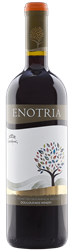 One of the most important distinguishing characteristics of any wine is its color. Red wines are produced exclusively from red grape varieties and follow the red winemaking process. Since color pigments (anthocyanins) are found almost entirely in the skins of red grapes, the production of red wine requires the grape skins and juice to remain in contact inside the tank for a certain period of time. One of the most important distinguishing characteristics of any wine is its color. Red wines are produced exclusively from red grape varieties and follow the red winemaking process. Since color pigments (anthocyanins) are found almost entirely in the skins of red grapes, the production of red wine requires the grape skins and juice to remain in contact inside the tank for a certain period of time.The duration of maceration is a key factor in determining both the quality and the characteristics of red wine. For wines intended to be enjoyed young, maceration is relatively short, while wines designed for aging require a longer extraction period. Red wines are typically paired with red meats, grilled or oven-roasted dishes, cured meats, hard cheeses, and smoked foods. |
Sugar Content
Dry Wine
 According to EC Regulation 753/2002, dry wines are defined by their residual sugar content, which does not exceed the maximum limit of 4 g/L. According to EC Regulation 753/2002, dry wines are defined by their residual sugar content, which does not exceed the maximum limit of 4 g/L. |
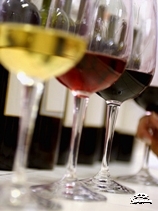 According to EC Regulation 753/2002, semi-dry wines are defined by their residual sugar content, which does not exceed the maximum limit of 12 g/L. According to EC Regulation 753/2002, semi-dry wines are defined by their residual sugar content, which does not exceed the maximum limit of 12 g/L. |
Semi-Sweet Wine
 According to EC Regulation 753/2002, semi-sweet wines are defined by their residual sugar content, which does not exceed the maximum limit of 45 g/L. According to EC Regulation 753/2002, semi-sweet wines are defined by their residual sugar content, which does not exceed the maximum limit of 45 g/L. |
Sweet Wine
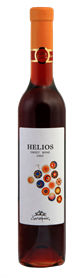 According to EC Regulation 753/2002, sweet wines are defined by a residual sugar content of at least 45 g/L. According to EC Regulation 753/2002, sweet wines are defined by a residual sugar content of at least 45 g/L. |
Carbon Dioxide Content
Still Wine
 According to EC Regulation 1493/99, still wines do not contain carbon dioxide. According to EC Regulation 1493/99, still wines do not contain carbon dioxide. |
Sparkling Wine
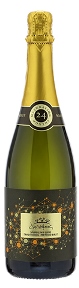 According to EC Regulation 1493/99, sparkling wines are defined as wines in which the pressure caused by carbon dioxide inside the bottle, measured at 20°C, is at least 3 bar. According to EC Regulation 1493/99, sparkling wines are defined as wines in which the pressure caused by carbon dioxide inside the bottle, measured at 20°C, is at least 3 bar. |
Semi-Sparkling Wine
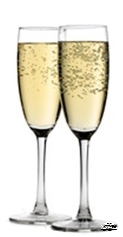 According to EC Regulation 1493/99, semi-sparkling wines are defined as wines in which the pressure caused by carbon dioxide inside the bottle, measured at 20°C, ranges from 1 bar to 2.5 bar. According to EC Regulation 1493/99, semi-sparkling wines are defined as wines in which the pressure caused by carbon dioxide inside the bottle, measured at 20°C, ranges from 1 bar to 2.5 bar. |